Sustainable Moving Solutions for Families and Students
- Akira German
- 5 days ago
- 4 min read

Moving can be a daunting task, especially for families and students who often juggle multiple responsibilities. The process can be overwhelming, from packing up belongings to finding a new home. However, it doesn't have to be a stressful experience. With the rise of sustainable moving solutions, families and students can make their transitions smoother while also being environmentally conscious. This blog post explores various sustainable moving options, tips for reducing waste, and how to make the moving process more efficient.

Understanding Sustainable Moving
Sustainable moving refers to practices that minimize environmental impact during the relocation process. This can include using eco-friendly packing materials, choosing green transportation options, and reducing waste. By adopting sustainable moving solutions, families and students can contribute to a healthier planet while making their move more efficient.
The Importance of Sustainability in Moving
The moving industry has a significant environmental footprint. Traditional moving practices often involve:
Excessive waste: Cardboard boxes, plastic wrap, and other materials are frequently discarded after a move.
Carbon emissions: Moving trucks contribute to air pollution and greenhouse gas emissions.
Resource depletion: The production of packing materials consumes natural resources.
By choosing sustainable options, movers can help mitigate these issues. Sustainable moving not only benefits the environment but can also lead to cost savings and a more organized moving experience.
Eco-Friendly Packing Materials
One of the most significant contributors to waste during a move is packing materials. Here are some eco-friendly alternatives to traditional packing supplies:
Reusable Boxes
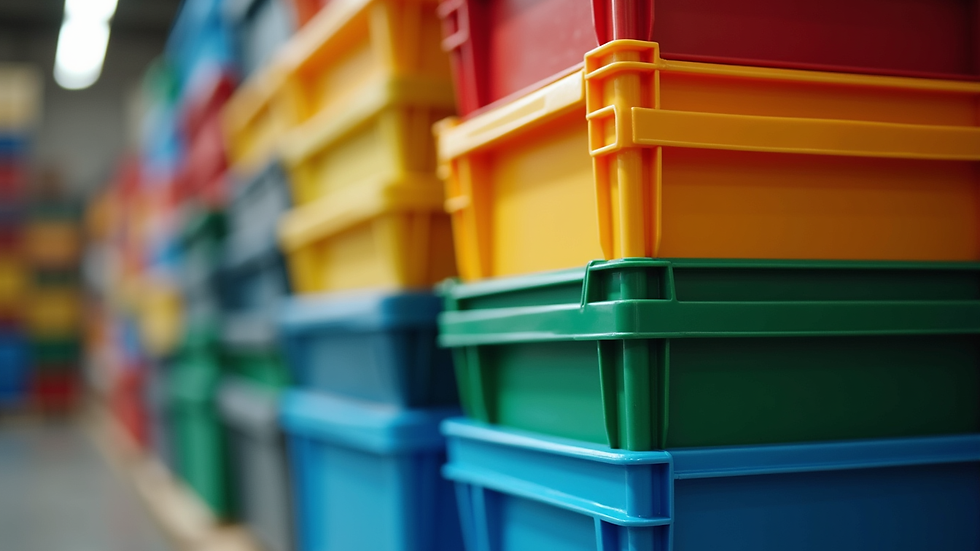
Instead of using single-use cardboard boxes, consider renting reusable plastic containers. Many moving companies offer these containers, which can be used multiple times and are often more durable than cardboard.
Biodegradable Packing Peanuts
Traditional packing peanuts are made from polystyrene, which is not biodegradable. Instead, opt for biodegradable packing peanuts made from cornstarch. These can be composted after use.
Recycled Paper and Fabric
Use recycled paper or fabric scraps for cushioning fragile items. Old newspapers, towels, or blankets can serve as excellent padding and reduce the need for bubble wrap.
Eco-Friendly Tape
Choose tape made from recycled materials or biodegradable options. This small change can significantly reduce the environmental impact of your move.
Efficient Moving Strategies
In addition to using sustainable packing materials, families and students can adopt efficient moving strategies to streamline the process.
Declutter Before You Move
Before packing, take the time to declutter your belongings. This not only reduces the amount you need to move but also helps you identify items you no longer need. Consider donating or recycling items that are in good condition.
Plan Your Move
Creating a detailed moving plan can help you stay organized and reduce stress. Outline tasks such as:
Packing schedule: Set deadlines for packing different rooms.
Transportation arrangements: Decide whether to hire movers or rent a truck.
Utilities transfer: Schedule the transfer of utilities to your new home.
Use Technology
Leverage technology to make your move easier. Use apps to track your inventory, create packing lists, and even find eco-friendly moving companies.
Choosing a Green Moving Company
If you decide to hire professionals, look for moving companies that prioritize sustainability. Here are some factors to consider:
Fleet Efficiency
Choose a moving company that uses fuel-efficient vehicles or alternative energy sources. This can significantly reduce the carbon footprint of your move.
Eco-Friendly Practices
Inquire about the company's packing materials and practices. Do they offer reusable containers? Do they recycle packing materials? A company committed to sustainability will have clear policies in place.
Customer Reviews
Research customer reviews to find companies that have a reputation for eco-friendly practices. Look for testimonials that highlight their commitment to sustainability.
Sustainable Transportation Options
Transportation is a crucial aspect of moving. Here are some sustainable options to consider:
Carpooling
If you have friends or family who can help with the move, consider carpooling. This not only reduces the number of vehicles on the road but also makes the process more enjoyable.
Public Transportation
For students moving to a new city, using public transportation can be a sustainable option. Many cities have reliable transit systems that can accommodate moving needs.
Biking
If you're moving locally and have a small number of items, consider using a bike with a trailer. This is an eco-friendly way to transport your belongings while getting some exercise.
Reducing Waste During the Move
Waste reduction should be a priority during the moving process. Here are some practical tips:
Avoid Single-Use Items
Steer clear of single-use packing materials and supplies. Instead, focus on reusable options that can be used for future moves or other purposes.
Donate Unwanted Items
Instead of throwing away items you no longer need, consider donating them to local charities or thrift stores. This not only helps others but also reduces landfill waste.
Recycle Packing Materials
After your move, recycle any packing materials that can be recycled. Check with your local recycling program for guidelines on what can be accepted.
Settling into Your New Home Sustainably
Once you've moved into your new home, there are several ways to continue your commitment to sustainability:
Energy-Efficient Appliances
If you're in the market for new appliances, consider energy-efficient options. Look for the ENERGY STAR label, which indicates that the appliance meets energy efficiency guidelines.
Sustainable Home Decor
When decorating your new space, opt for sustainable materials. Look for furniture made from reclaimed wood or decor items made from recycled materials.
Create a Green Space
Consider starting a small garden or adding plants to your new home. Not only do plants improve air quality, but they also create a calming atmosphere.
Conclusion
Moving doesn't have to be a stressful experience, especially when you incorporate sustainable practices. By using eco-friendly packing materials, choosing green transportation options, and reducing waste, families and students can make their moves more efficient and environmentally friendly.
As you prepare for your next move, remember that every small change can make a significant impact. Embrace sustainable moving solutions and contribute to a healthier planet while enjoying a smoother transition to your new home.
Take the first step today by evaluating your moving plan and identifying areas where you can implement sustainable practices. Your future self—and the planet—will thank you.
Comments